
How much does sleep really affect your wellbeing?
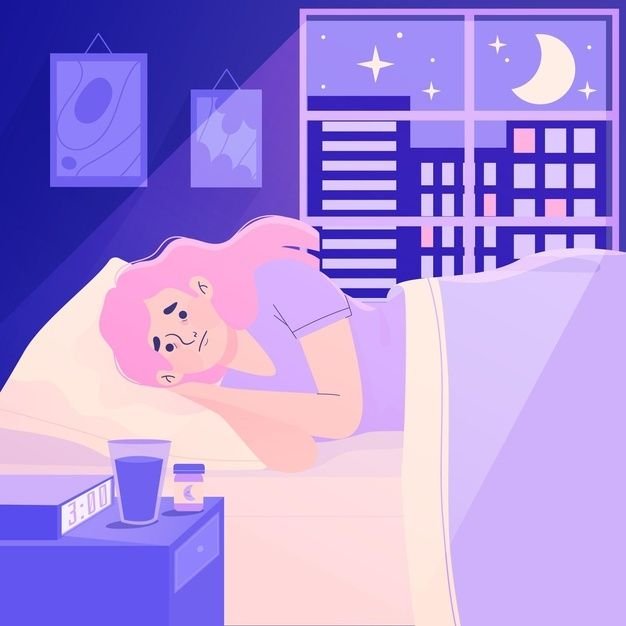
Taking care of your sleep is taking care of yourself.
We’ve all experienced feeling irritable, emotional and unable to concentrate after a poor night's sleep. While occasional sleepless nights are normal, ongoing sleep difficulties can have a significant impact on our mental health. Sleep and mental health have a two-way relationship - poor sleep can lead to emotional difficulties, while anxiety, stress and depression can make quality sleep harder to achieve. Understanding this connection is the first step towards improving sleep quality and bettering your mental wellbeing.
Why is sleep so important?
Sleep is not a luxury, it's necessary to help us be able to perform optimally throughout the day. When we are asleep our body is actively recovering by restoring energy to our brain and body, consolidating memories and learning and regulating emotions. During sleep our stress hormone cortisol depletes, meaning that lack of sleep can be directly linked to high stress levels and anxiety. The issue is anxiety and high stress levels also lead to lack of sleep, creating a vicious cycle of sleep deprivation.
The connection between sleep and mental health
Sleep and mental health are closely connected, with each influencing the other. When you're not getting enough quality sleep, it can become harder to regulate your emotions, manage stress and think clearly. At the same time, mental health concerns such as anxiety, depression and chronic stress can make it difficult to fall asleep or stay asleep. Poor sleep can affect many aspects such as:
Mood
Lack of quality sleep can cause increased irritability, feeling overwhelmed more easily, stress and anger. When we aren’t getting enough sleep our ability to emotion regulate is inhibited due to hyperactivity in the brain's emotional centre.
Anxiety
Poor sleep can cause spikes in your stress hormones (such as cortisol) making daily stress harder to manage. Anxiety also triggers racing thoughts that keep your brain alert, preventing restful sleep. This interaction between lack of sleep causes mental health concerns and mental health concerns causing lack of sleep, you can get stuck in a cycle that's difficult to break.
Concentration
Lack of sleep breaks down the brain's ability to focus by slowing prefrontal cortex activity. This causes attention lapses, delayed reaction times , and trouble processing new details.
Signs sleep may be affecting your wellbeing
You wake up feeling exhausted despite enough time in bed
You struggle to concentrate throughout the day
Your mood feels more reactive than usual
You’re relying heavily on caffeine to get through the day
You find yourself worrying about sleep before bed
You regularly wake during the night
You’re feeling emotionally drained most days
Simple ways to improve sleep
You only need to make small changes to help improve your sleep and once your sleep is better everything else will fall into place.
Create a consistent sleep routine - try and make sure you’re going to sleep and waking up at the same time every day, even on weekends.
Reduce screen time before bed - the blue light from screens can interfere with your sleep. Your body releases melatonin when it’s time to go to sleep aka when it's dark. The blue light from your phone registers in your brain as still day time which blocks melatonin production.
Build a relaxing night time routine - do something that helps you relax and that you truly enjoy such as reading, gentle stretching, mediation, deep breathing, a warm shower or bath, do your skin care routine. Make your night time routine something you look forward to not dread.
Keep your bedroom sleep friendly - try and make sure your room is optimal for sleeping, avoid doing activities such as studying or working in bed. Make sure your room is cool, dark, quiet and comfortable.
When should you seek support
You may want to think about seeking support when sleep becomes more than just an occasional inconvenience for you such as:
You have had difficulty sleeping for several weeks
Your sleep is impacting your work, study and or relationships
You have anxiety about going to bed
You have persistent fatigue despite life style changes
You're struggling with low mood or anxiety occurring alongside sleep difficulties
How can psychology help
Psychology can help by providing you with some useful techniques to help build a more reliable sleep routine, as well as trying to get to the root of why you may be experiencing sleep difficulties
Our provisional psychologist Napoleon Forde is running a brief behavioural therapy program for individuals struggling with insomnia. Brief Behavioural Therapy for Insomnia (BBTI) is a short structured skills program that uses evidence-based behavioural techniques to address sleep difficulties and insomnia without medication, with the goal to help you fall asleep faster, stay asleep and wake feeling more rested.
What will the sessions cover?
Understanding how sleep works; and what can disrupt it
Behavioural strategies to support sleep consolidation
Practical habits that may support better sleep
Strategies for managing sleep difficulties independently in the future
Developing your personalised sleep schedule.
This program consists of four 45-minute sessions, at a cost of $50.00 per session. Please note that these sessions are not eligible for a Medicare or private health rebate.