
Emotion regulation: Understanding big emotions
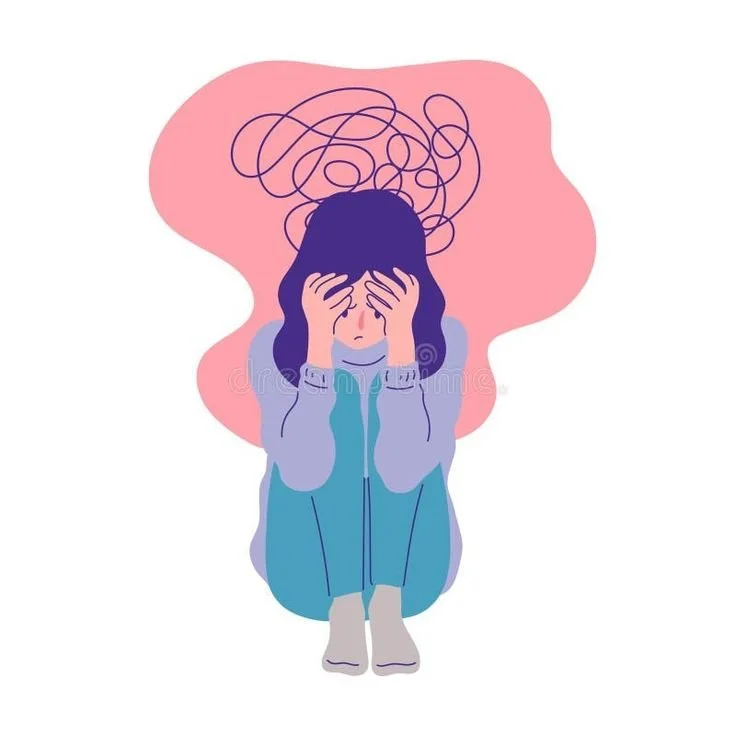
Emotional regulation isn't about controlling your feelings—it's about supporting yourself through them.
Do you ever feel like your emotions are too much? Notice reacting impulsively to big emotions, or having strong emotional reactions to small triggers? These can be helpful signs to identify when you may need support with regulating your emotions. Feeling overwhelmed or controlled by your emotions is very common, everyone can experience strong emotions, especially when dealing with significant stress in daily life. When this starts to affect your day-to-day routine or relationships, learning how to regulate your emotions more effectively can be helpful.
What is emotion regulation?
Emotion regulation is when you’re able to understand emotions and control how you respond to them. The goal is not to stop the emotion, but to learn how to respond less reactively and support yourself through big emotions. To do this, the first step is learning how to recognise the emotion - maybe you feel angry, sad, anxious, tired, irritable, or stressed. This can feel harder when we experience multiple emotions at once, which can leave us feeling overwhelmed and helpless. The next step is to understand where the emotions may be coming from - was there a trigger that caused this or am I emotionally vulnerable right now? This gives us time to process the emotion, take a step back and look at the bigger picture. We can then respond to the emotional experience intentionally, rather than acting automatically. During big emotions, this is often easier said than done, it takes time to develop emotional regulation skills. Learning to sit with our emotions and reflect on what they may be telling us supports us to be less reactive and respond more helpfully.
What do big emotions feel like?
When we say big emotions we really mean when an emotion feels overwhelming and all consuming. Big emotions aren't easily ignored, it can feel as though they “take over”. This can happen with any emotion: anger, anxiety, sadness, or irritability, and even feeling numb, overly happy, or energetic. These big emotions can lead to shutting down or withdrawing, becoming overly emotional, tearful, or even impulsive, which can lead to doing or saying things you regret later. Having big emotions is a normal human experience. Certain events or lifestyle factors can temporarily make us more vulnerable to feeling big emotions and less emotionally stable. When everyday life feels like it is being run by your emotions, it can be a helpful sign to seek support.
Why do some people experience emotions more intensely than others?
Several mental health or neurodevelopmental conditions can affect emotion regulation, such as ADHD, ASD and BPD, but experiencing intense emotions doesn’t automatically mean you have one of these conditions. Stress, anxiety, depression, trauma, chronic stress, lack of sleep, and hormonal changes are all reasons why someone may experience emotion regulation difficulties. Although some people may experience emotions more intensely due to mental health challenges, feeling big emotions is normal and can happen to everyone. Struggling with regulating your emotions is not something to be ashamed of, and it is important to seek support when you notice ongoing difficulties in your day-to-day life.
Signs your emotional regulation may need support.
Feeling big emotions is normal, and knowing how to notice when you may benefit from extra support can be helpful. Your emotions shouldn’t significantly affect your day to day. Some signs your emotional regulation may need support include:
You feel like your emotions “take over”
Small situations trigger big reactions
You feel a strong pull to immediately act on your emotions
It takes a long time to calm down
You avoid situations because they feel emotionally overwhelming
Your relationships are negatively affected
You often feel guilty after big reactions
You have low energy or feel emotionally drained most days
Strategies to help regulate big emotions
Being able to regulate your emotions takes time and practice to master. Even with all the strategies in the world, it's okay to still struggle on some days. Some easy strategies to consider are:
Slow your body down - Think about grounding and breathing techniques, such as box breathing or butterfly taps, and think about an affirmation that makes you feel relaxed and in control.
Naming the emotion - By understanding which emotions you feel, you can focus on what that emotion may be telling you, rather than the urge to react.
What triggered this reaction - Taking time to think about what caused you to feel this way can help you predict and plan for how you’ll react to certain situations in the future. This can support you to feel more in control.
Practice self-compassion - Remind yourself that it’s okay to feel big emotions, right now you may need more patience from others or some acts of self-care.
Try and build healthy coping mechanisms over time.
How can therapy help support your emotional regulation?
Psychology can help you understand your emotional patterns, what triggers them, and the costs-benefits on reacting to them, to support you to develop more helpful coping strategies to improve communication, build resilience, and feel more in control of your emotion.
Our Clinical Psychologist Registrar, Alannah Konners, works one-on-one with clients struggling with their emotional regulation, as well as in a group setting providing Dialectical behavioural therapy skills-training. Alannah is a trauma-informed psychologist, her approach is gentle, collaborative, and person-centred - focused on helping clients understand and navigate difficulties with emotional regulation, trauma, interpersonal conflict, personal identity, and mental health concerns through a holistic lens.