
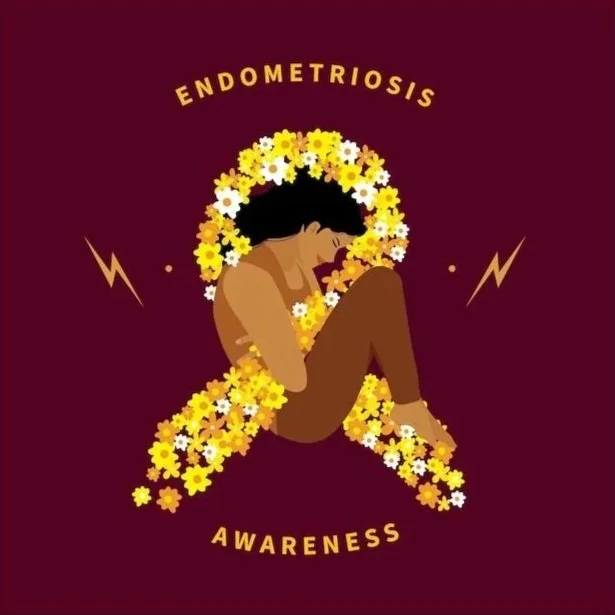
Being heard can be the first step toward being helped
Living with endometriosis can affect much more than your physical health. The pain, fatigue and uncertainty that can come with endometriosis can also have an impact on your mood, relationships, work and everyday life. When you are constantly managing symptoms or adjusting your plans around how you are feeling, it can be exhausting, both physically and emotionally. Understanding the connection between endometriosis and mental health can help you recognise the emotional impact of living with a chronic condition and find ways to better support your overall wellbeing.
What is endometriosis?
Endometriosis is a chronic condition where tissue similar to the tissue found in the uterine lining grows outside of the uterus. This tissue is usually found around the ovaries, fallopian tubes and the outer surface of other pelvic and abdominal organs. This can cause severe abdominal pain, heavy periods, lower back pain, fertility issues and general discomfort when completing everyday tasks during a flare-up. Symptoms can vary from person to person depending on the severity of the condition.
The connection between mental health and endometriosis
The physical symptoms of endometriosis can have a negative effect on a person's emotional wellbeing. Living with ongoing symptoms can be challenging, particularly when pain and fatigue begin to affect different areas of your life.
Chronic pain and emotional wellbeing
Constant and recurring pain can be exhausting, frustrating and emotionally draining. When pain becomes a part of everyday life, it can affect your mood, motivation and ability to enjoy things.
Fatigue and feeling overwhelmed
Fatigue can make everyday tasks feel more difficult and can leave you with less energy to manage work, relationships and other responsibilities. When you are already using a lot of your energy managing physical symptoms, it can be easy to feel overwhelmed by everything else that needs to be done.
The uncertainty of symptoms
Not knowing when symptoms might appear or how severe they will be can create feelings of anxiety and make it difficult to plan ahead. You may find yourself having to change plans at the last minute or worrying about whether you will be able to do something because you are unsure how you will be feeling.
Feeling misunderstood
Endometriosis can be an invisible illness, meaning others may not always understand what someone is experiencing. Feeling dismissed or misunderstood can contribute to feelings of loneliness, frustration and distress, particularly when you are trying to manage symptoms that others cannot see.
How endometriosis can affect everyday life
Endometriosis can affect many different aspects of a person's life, such as work and study, relationships and social life, exercise and hobbies, sleep, plans and routines, and confidence and sense of self.
Endometriosis can be very disruptive to a daily routine, particularly during a person's period or during a flare-up. Living with a chronic condition is difficult, and struggling with the emotional impact is completely normal and understandable. It can be hard to manage everyday life when your pain is unpredictable and you don't always know how you are going to feel from one day to the next.
When physical pain starts to affect your thoughts
Our physical experiences and our thoughts can influence one another. For example:
You experience pain → You think, “I can't do anything today” → This can lead to feelings of frustration or sadness → This can cause you to withdraw → You may then feel more overwhelmed because you have missed more days of work or are more behind on schoolwork.
This doesn't mean that the pain is “all in your head”. Rather, our physical and emotional experiences are connected, and understanding this can help us find ways to cope.
Supporting your mental health whilst living with endometriosis
Listen to your body
Learning to recognise when you need rest, rather than pushing through, can be an important part of managing your wellbeing. Sometimes listening to what your body needs can help prevent you from becoming even more physically and emotionally exhausted.
Give yourself permission to adjust your expectations
Some days may look different from others. Being flexible with plans and expectations can reduce the pressure to always function at the same level. It is okay if what you are able to do changes depending on how you are feeling.
Stay connected
It can be tempting to withdraw when you're experiencing pain or fatigue, but maintaining supportive relationships can help reduce feelings of isolation. Letting the people around you know how you are feeling can also help them better understand what you are experiencing.
Find ways to manage stress
Simple strategies such as breathing exercises, mindfulness, gentle movement or making time for enjoyable activities may help support your emotional wellbeing. Finding strategies that work for you can help you feel more in control when symptoms become difficult to manage.
Be kind to yourself
Living with a chronic condition can require a lot of patience. Try to notice when you're being hard on yourself for something that is outside of your control. You are managing something that can be physically and emotionally challenging, and it is okay to give yourself some understanding along the way.
Seek support when you need it
Talking to a psychologist can provide a space to process the emotional impact of living with endometriosis and develop strategies to manage stress, anxiety, low mood or changes in your sense of self. Having someone to talk to can also help you feel less alone in managing the emotional challenges that can come with a chronic condition.
When should I consider seeking support?
You don't need to be in distress or completely overwhelmed to seek support. In fact, it can be helpful as a preventative measure. Therapy can help you manage the emotional impact of endometriosis with the support of a psychologist who can provide helpful insight and coping strategies. You may want to consider seeking support from a psychologist if you are:
Feeling persistently low or anxious
Struggling to cope with ongoing pain
Avoiding activities you used to enjoy
Feeling isolated or misunderstood
Experiencing changes in relationships
Finding it difficult to manage stress
Feeling overwhelmed by your diagnosis
Struggling with your sense of self or identity
Looking after your physical and emotional wellbeing
Endometriosis may be a physical condition, but living with it can have an emotional impact too. Supporting your mental health isn't about ignoring the physical symptoms — it's about recognising the whole person experiencing them.
Living with endometriosis can be challenging, and you don't have to manage the emotional impact on your own. Seeking support can provide you with a space to talk about your experiences, understand the connection between your physical and emotional wellbeing, and develop strategies to help you cope.
Our Clinical Psychologist Registrar, Alannah Konners, provides psychological support to women experiencing endometriosis to help look after their emotional wellbeing.