
Managing Academic Stress: Practical Strategies for Students
You don’t have to wait until you’re overwhelmed to ask for help.
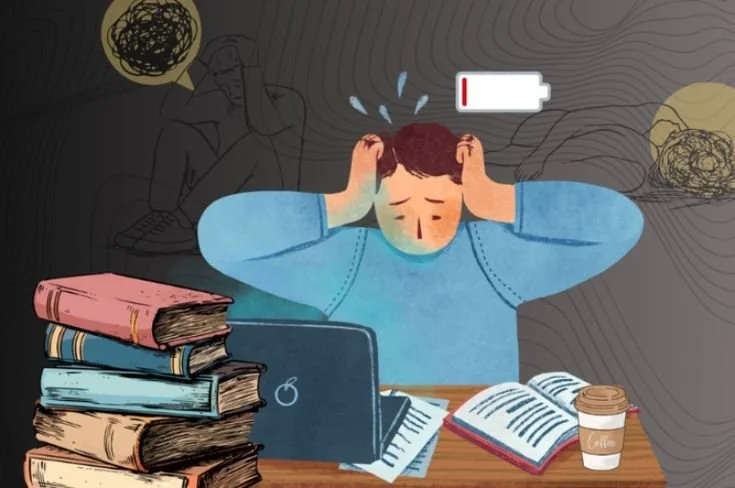
We have all felt the anxiety that comes with an upcoming deadline, whether that’s an assignment or an exam we feel unprepared for. The expectations we place on ourselves can motivate us to work hard and do well. Not all stress is bad; sometimes it can be helpful and motivating. However, when stress becomes constant or overwhelming, it can begin to affect our wellbeing.
Academic stress is very common, and most people will experience it to some degree throughout their lives. However, as with everything, there are different levels of stress. If you’re feeling so consumed by an upcoming exam or assignment that it is starting to affect your day-to-day life, it may be time to consider whether some additional support could be helpful.
What is academic stress?
What does academic stress actually mean? Academic stress is when you feel a lot of pressure related to exams, assignments or deadlines. You may hold yourself to a high standard, sometimes an unrealistic one, and when you fail to meet that standard, you may feel as though you have “failed”.
This can lead to a fear of failure or feeling like you’re not achieving enough. For some people, this fear can even lead to avoiding tasks or assignments because they feel too overwhelming to start.
Academic stress isn’t always about having “too much work”. Sometimes, it comes from the pressure we place on ourselves or the fear of not meeting our own or other people’s expectations.
How can academic stress affect your mental wellbeing?
Academic stress can begin to affect many different aspects of your life. You may notice changes emotionally, cognitively, physically and behaviourally.
Emotionally
Feeling overwhelmed or irritable
Increased worry
Feeling discouraged or hopeless
Becoming more emotional than usual
Cognitively
Difficulty concentrating
Racing thoughts
Constantly thinking about study
Feeling like you can’t switch off
Physically
Muscle tension
Headaches
Fatigue
Changes in appetite
Difficulty sleeping
Behaviourally
Procrastination
Avoiding assignments or classes
Spending excessive amounts of time studying
Withdrawing from activities or people you would normally spend time with
The stress–avoidance cycle
When academic work starts to feel overwhelming, it can be tempting to avoid it. You might put off starting an assignment, avoid checking your emails, spend time scrolling on your phone, or tell yourself that you’ll deal with it later.
The problem is that while avoiding the task can provide short-term relief, it often makes the stress worse in the long term. The longer the task is avoided, the more it can build up, making it feel even more difficult to start.
This can create a cycle:
Feeling stressed or overwhelmed → avoiding the task → temporary relief → work builds up → increased stress → more avoidance.
Breaking this cycle doesn’t mean forcing yourself to complete everything at once. Starting with one small, manageable step can help reduce the feeling of being overwhelmed and make it easier to keep going.
When does academic stress become a problem?
Academic stress can become a problem when it starts to affect your sleep, daily functioning and overall wellbeing. You might find yourself lying awake at night because of excessive worry, waking frequently with anxious thoughts, or experiencing a loss of appetite due to the physical effects of stress and anxiety.
You may also notice that it is becoming difficult to concentrate, not just when studying, but also during activities you usually enjoy. Ongoing feelings of anxiety or low mood can make it harder to enjoy time outside of study and may even lead to avoiding school or university altogether.
When academic stress begins to affect these areas of your life, it may be a sign that you could benefit from some additional support.
Practical strategies for managing academic stress
There are small changes you can make to your everyday routine that may help manage your stress levels and make school or university life feel more manageable. Some strategies you could try include:
1. Break big tasks into smaller steps
Instead of thinking, “I have an entire assignment to do,” try focusing on the next manageable step.
For example:
Research the topic → create an outline → write the introduction → complete one section.
Breaking a large task into smaller steps can make it feel less overwhelming and give you a clearer idea of where to start.
2. Create a realistic study routine
Planning a specific time to study can help build a routine and give your day some structure. It also means you can make space for other important parts of your life, such as sleep, exercise, meals, friends and family, hobbies and downtime.
These things are just as important as studying. Your body and mind need time to rest and unwind so you can maintain the energy and concentration needed to study effectively.
3. Watch out for procrastination
Procrastination isn’t simply about being “lazy”. It can sometimes come from feeling so overwhelmed that avoiding the situation feels like the most manageable option at that moment.
Some strategies that may help with procrastination include:
Starting with just 5–10 minutes of work
Removing distractions
Setting smaller, more manageable goals, such as completing one paragraph
Setting a timer for 30 minutes and then taking a 10-minute break
Choosing one task to complete at a time rather than trying to do everything at once
Remember, getting started is often the hardest part. You don’t have to feel completely motivated before you begin.
4. Challenge unhelpful academic thoughts
Unhelpful thoughts and negative self-talk can be difficult to experience, particularly when you are already feeling stressed. Learning to recognise these thoughts and challenge them can help you develop a more balanced way of thinking about your academic performance.
For example, you might think:
“If I don’t get a high mark, I’ve failed.”
You could try reframing this as:
“If I don’t get a high mark, I will be disappointed, but it doesn’t define my academic capability.”
This still allows you to acknowledge that you might feel upset or disappointed about a grade, without allowing that grade to define your ability or self-worth.
Another example might be:
“If I don’t do this perfectly, there’s no point.”
You could instead remind yourself:
“Doing my best doesn’t mean doing everything perfectly.”
Perfectionism can sometimes cause us to avoid tasks because we are afraid we won’t be able to complete them perfectly. Being aware of these patterns and trying to change the way you respond to them can be difficult, but recognising them is a good place to start.
Managing exam anxiety
Feeling anxious before an exam is normal. Exams can be an intense environment, particularly when it feels like there is a lot riding on the outcome. You could be as prepared as possible and still feel nervous before an exam. Feeling anxious does not necessarily mean that you will perform poorly.
Here are some strategies that may help manage exam anxiety:
Prepare early: Learning smaller amounts over a longer period can help with knowledge recall and may reduce the pressure that comes with last-minute cramming.
Practise under exam conditions: Completing mock exams can help you become more familiar with the exam environment and practise managing your time.
Use breathing and grounding techniques: Before an exam, breathing and grounding techniques can help manage some of the physical symptoms of anxiety.
Focus on what you can control: Try to focus on the preparation you can do rather than worrying about the outcome.
When should you seek support?
Students may benefit from seeking support if their stress or anxiety is:
Persistent or worsening
Affecting sleep
Interfering with study
Affecting relationships
Leading to avoidance
Making everyday life feel overwhelming
You don’t have to be failing or in crisis to seek psychological support. Sometimes, reaching out earlier can help prevent stress from becoming more difficult to manage.
How can psychology help with academic stress?
Psychology can help you understand what is contributing to your stress and develop strategies to manage it. This may include helping you:
Develop strategies for managing anxiety
Improve confidence and self-belief
Develop healthier study habits
Manage procrastination and avoidance
Challenge unhelpful thoughts and perfectionism
Learn emotional regulation and grounding strategies
Find a healthier balance between study and life
Academic stress can feel overwhelming, but you don’t have to manage it alone. Learning how to understand and manage stress can not only make studying feel more manageable, but can also give you skills that can support your mental wellbeing long after school or university.