
Exploring the Past to Understand the Present: Psychodynamic Psychotherapy
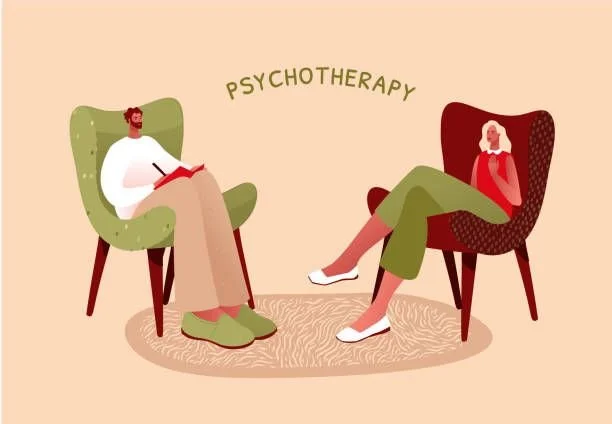
Understanding the past can help us make sense of the present.
Have you ever wondered why you react to certain situations in ways you don’t quite understand? Sometimes, our thoughts, feelings and behaviours can be influenced by experiences from our past, even when we aren’t consciously aware of it. The relationships we have, the experiences we go through and the emotions we develop can all shape the way we see ourselves and others. Psychodynamic psychotherapy focuses on exploring these connections, helping us better understand how our past may be influencing the way we think, feel and behave in the present.
How Can the Past Influence the Present?
Our past experiences, early relationships and significant life events can all shape the way we navigate the world. Sometimes, the ways we learn to respond to situations can stay with us into adulthood, even when they may no longer be helpful. This can make it difficult to trust others, cause us to feel anxious when someone seems distant or make it difficult to express our emotions. We may also find ourselves repeating familiar relationship patterns or having strong emotional reactions that feel difficult to understand.
These responses are examples of how our past can influence the present. By understanding where these patterns come from, we can begin to recognise them and develop new ways of responding to situations.
Understanding Unconscious Patterns
We aren't always aware of the reasons behind our thoughts, feelings and behaviours. Sometimes, the things that influence how we respond to situations can happen beneath the surface, making it difficult to understand why we react the way we do.
Psychodynamic therapy helps bring some of these unconscious thoughts, feelings and patterns into our awareness. By exploring what is happening beneath the surface, we can begin to make sense of our present-day experiences. This greater self-awareness can help us understand habits and reactions that may have previously felt confusing and give us the opportunity to make more conscious choices.
Exploring Relationships and Emotional Patterns
Relationships are an important part of psychodynamic psychotherapy. Our early relationships with parents and caregivers can influence what we expect from others and how we view ourselves within relationships. These experiences can continue to shape our relationships as we grow older.
Sometimes, this can mean repeating similar emotional patterns with partners, friends or colleagues. We might push people away when they get too close, avoid conflict by people-pleasing or find it difficult to trust others. These patterns can happen automatically, without us always understanding why.
Therapy provides a safe and non-judgmental space to explore these experiences and understand where these patterns may have come from. By developing a better understanding of our relationships and emotional responses, we can begin to create healthier and more fulfilling connections.
What Happens in Psychodynamic Therapy?
Psychodynamic therapy is based around open conversations between you and your therapist. Rather than following a strict checklist, sessions provide an opportunity to explore your thoughts, feelings, experiences and relationships at a pace that feels comfortable for you. During your sessions, you may:
Talk openly - Share your thoughts, feelings and everyday experiences in a safe and non-judgmental space.
Explore your history - Look at significant life events and relationships and how they may still be influencing you today.
Identify recurring patterns - Notice patterns in your behaviour, emotions and relationships that you may be repeating without realising.
Reflect on emotional responses - Explore strong or confusing emotional reactions to better understand where they may come from.
Develop self-understanding - Connect your past experiences with your present experiences to develop a better understanding of yourself.
How Can Psychodynamic Psychotherapy Help?
Psychodynamic psychotherapy can help us develop a deeper understanding of ourselves and the experiences that have shaped us. By exploring the connection between our past and present, we can begin to recognise patterns and understand why we respond to situations in certain ways. Psychodynamic psychotherapy may help you:
Develop greater self-awareness - Gain a better understanding of your thoughts, feelings and behaviours.
Understand your emotions - Explore your emotional responses and begin to understand why you feel the way you do.
Recognise unhelpful patterns - Identify recurring patterns in your life that may no longer be helpful.
Improve relationships - Understand how past experiences may influence your relationships and develop healthier ways of connecting with others.
Create new ways of responding - Become more aware of automatic reactions and make more intentional choices when facing difficult situations.
Is Psychodynamic Psychotherapy Right for You?
Every therapeutic approach has its own strengths, and psychodynamic psychotherapy can be helpful for people who want to develop a deeper understanding of themselves and their experiences. Rather than only focusing on the symptoms you are experiencing, psychodynamic therapy explores the underlying thoughts, feelings and patterns that may be contributing to them. This approach may be helpful if you:
Want to better understand yourself - You are curious about why you think, feel or respond to situations in certain ways.
Notice recurring patterns - You find yourself experiencing similar difficulties or frustrations across different relationships or situations.
Feel stuck in familiar responses - You find yourself responding to difficult situations in the same way, even when you want to respond differently.
Want to understand the connection between your past and present - You are interested in exploring how past experiences may be influencing your life today.
Are interested in deeper self-exploration - You want to take the time to understand yourself and your experiences in a safe and supportive environment.
Moving Forward With Greater Understanding
Looking back at our past is not about getting stuck in it. Instead, psychodynamic psychotherapy can help us understand how our past experiences and relationships may still be influencing the way we think, feel and behave today. By developing a better understanding of ourselves, we can begin to recognise patterns, make more conscious choices and find new ways of responding.
If you notice recurring patterns in your own life or find yourself reacting to situations in ways you don't fully understand, speaking with a psychologist can provide a safe and supportive space to explore these experiences. Understanding where we have come from can help us better understand where we are going.